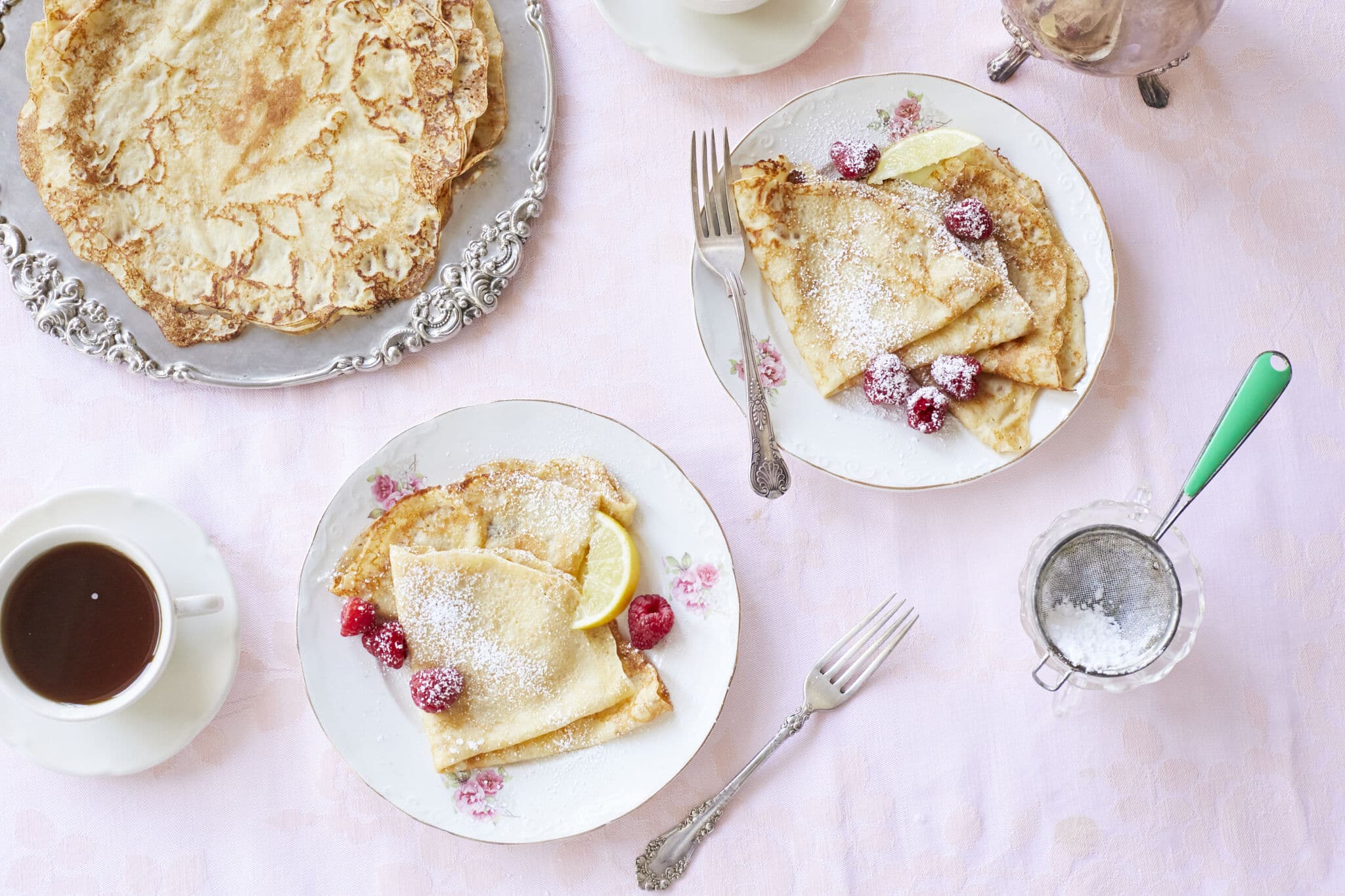
Your Ultimate Guide to Easy Crepes: Thin, Delicate, & Versatile
Imagine a breakfast, brunch, or even dinner that feels utterly gourmet, yet comes together with astounding simplicity. That’s the magic of crepes! These elegant, paper-thin French-style pancakes often conjure images of fancy cafes and skilled chefs, but the truth is, making restaurant-quality crepes at home is remarkably straightforward. Forget the intimidation; with just a few basic ingredients and a regular kitchen skillet, you’re just minutes away from mastering these versatile delicacies. This comprehensive guide will walk you through everything you need to know to create perfect, delicate, and utterly delicious crepes every single time, proving just how easy to make crepes can be!
What Exactly Are Crepes? A Culinary Delight Explained
At their heart, crepes are thin, unleavened pancakes, distinguished by their delicate, almost lace-like texture and irresistibly buttery, crisp edges. Unlike their thicker American pancake cousins, crepes forgo leavening agents like baking powder or soda, resulting in their signature flatness and flexibility. Originating from Brittany in northwest France, crepes have transcended their humble beginnings to become a beloved dish worldwide, celebrated for their adaptability to a vast array of flavors.
While often enjoyed as a breakfast or brunch staple, crepes are incredibly versatile. You'll find them at elegant catered events, bustling farmers' markets, and even as sophisticated dessert options. Their chameleon-like ability to transform from a sweet treat adorned with fresh berries and whipped cream to a savory main course filled with meats, cheeses, and vegetables is what makes them so much fun to eat. There's no wrong time or way to enjoy them!
Why Crepes are a Favorite and So Easy to Master
The enduring popularity of crepes stems from a beautiful paradox: they feel special, yet they're incredibly accessible. Here's why they're not just delicious, but also surprisingly simple to add to your culinary repertoire:
- Simple Ingredients: You don't need exotic items. Flour, eggs, milk, butter, and a pinch of salt form the core of almost every crepe recipe. Most kitchens already stock these basic pantry staples.
- No Special Equipment Needed: While some restaurants use specialty crepe makers, a standard non-stick skillet works perfectly for homemade crepes. You don't need to invest in new gadgets to achieve professional results.
- Blender Magic: One of the biggest secrets to truly easy to make crepes is the blender. It effortlessly combines ingredients, eliminating lumps and creating an incredibly smooth batter in seconds. This step alone cuts down prep time dramatically and ensures a consistent, delicate texture. If you're looking for an even smoother process, check out our guide on Easy Blender Crepes: Sweet & Savory Fillings for Any Meal.
- Versatility Unleashed: Their neutral flavor profile makes crepes the ultimate canvas for culinary creativity. Whether your cravings lean sweet or savory, hot or cold, there's a crepe filling waiting to delight your taste buds. This endless adaptability ensures you'll never get bored!
The Secret to Perfect Crepes: Ingredients & Method
While the concept of crepes is simple, understanding the role of each ingredient and following a few key steps will elevate your homemade crepes from good to truly exceptional. Let's dive into the specifics.
The 8 Essential Ingredients for Flawless Crepes
While recipes can vary slightly, a classic crepe batter typically relies on these foundational components:
- All-Purpose Flour: The structure of your crepes. It’s crucial to measure it correctly, ideally by weight for precision, or by spooning it into a measuring cup and leveling off.
- Granulated Sugar: A small amount adds subtle sweetness and helps with browning. You can adjust or omit this for savory crepes.
- Large Eggs: Bind the batter, add richness, and contribute to the delicate texture.
- Milk (Whole or 2%): Provides the necessary liquid and adds richness. Whole milk is often preferred for a creamier result.
- Water: Lightens the batter slightly, contributing to the thinness and crisp edges. Some recipes use only milk, but a combination often yields the ideal consistency.
- Melted Butter: Essential for flavor, richness, and preventing sticking. Ensure it's cooled slightly before adding to avoid scrambling the eggs.
- Vanilla Extract (for sweet crepes): Adds a wonderful aroma and enhances the sweetness.
- Salt: A pinch of salt balances the flavors, even in sweet crepes, and is crucial for savory versions.
Blender Power: Your Shortcut to Silky Smooth Batter
This is where the "easy" in "easy to make crepes" truly shines. Using a blender is a game-changer for crepe batter. Simply melt your butter and let it cool for a few minutes. Then, add all your ingredients—flour, sugar, eggs, milk, water, cooled melted butter, vanilla (if using), and salt—into your blender. Blend for about 30-60 seconds, until the batter is completely smooth and free of lumps. The high-speed blades effectively cut the flour into the wet ingredients, creating a perfectly homogenous mixture. If you don't have a blender, a whisk and a large mixing bowl will work, but be prepared for a bit more arm work to get that lump-free consistency.
The Crucial Chill: Why Patience Pays Off
Once your batter is blended, the single most important step for achieving truly restaurant-quality crepes is chilling the batter. Cover your blender pitcher or transfer the batter to a bowl, cover it, and refrigerate for at least 30-60 minutes, or even overnight. This resting period is not just for convenience; it's crucial for several reasons:
- Hydration: It allows the flour to fully hydrate, resulting in a more tender crepe.
- Gluten Relaxation: The gluten in the flour relaxes, preventing a rubbery texture and ensuring elasticity, which is key for thin, pliable crepes.
- Flavor Development: The flavors meld together, enhancing the overall taste.
- Thickening: The batter slightly thickens, making it easier to work with and achieving that ideal spread in the pan.
Use this waiting time to clean up, gather your fillings, and prepare your cooking station. This simple step truly makes all the difference in the final product.
Mastering the Cook: Tips for Flawless, Thin Crepes
With your perfectly chilled batter ready, it’s time to cook! The process is quick and rewarding once you get the hang of it.
Pan Choice & Preparation
A 6-8 inch non-stick skillet is ideal for crepes. While specialty crepe pans exist, a good quality non-stick pan you already own will work beautifully. Before cooking each crepe, it’s essential to adequately butter the pan:
- Initial Buttering: Heat your skillet over medium heat. Add a small pat of butter (about ½ teaspoon) and swirl it around until the bottom is lightly coated. For subsequent crepes, you can either add a tiny bit more butter or use a folded paper towel dipped in melted butter to lightly grease the pan. The goal is a very thin, even layer of butter, not a pool.
- Heat Management: Medium heat is usually perfect. Too low, and the crepes will be tough; too high, and they'll burn before cooking through. You might need to adjust slightly as you go.
Pouring & Swirling Technique
This is the most critical part of achieving those signature thin crepes:
- Measure the Batter: For a 6-inch pan, start with about 2-3 tablespoons of batter. For an 8-inch pan, use about ¼ cup.
- Pour and Swirl: Lift the hot skillet off the heat. Pour the measured batter into the center of the pan. Immediately tilt and rotate the pan in a circular motion to allow the batter to spread thinly and evenly across the entire bottom surface. This needs to be done quickly before the batter sets.
- Return to Heat: Place the skillet back on the burner.
Knowing When to Flip
Crepes cook very quickly, usually 1-2 minutes per side:
- First Side: Cook until the edges begin to look dry and slightly crisp, and the surface of the crepe appears set and opaque, with small bubbles forming. You'll often see the edges start to lift slightly from the pan.
- Flipping: Use a thin, flexible spatula to gently loosen the edges, then slide it underneath the crepe. Carefully but confidently flip the crepe over.
- Second Side: Cook for another 30-60 seconds, or until lightly golden.
Don't be discouraged if your first crepe isn't perfect; consider it the "test crepe" to adjust your heat and batter amount!
Beyond the Basics: Endless Filling & Topping Inspiration
Once your stack of warm, delicate crepes is ready, the real fun begins! Their neutral flavor profile makes them incredibly versatile for both sweet and savory applications.
Sweet Crepe Ideas:
- Classic Nutella & Banana: Spread with Nutella and top with sliced bananas.
- Berries & Cream: Fresh mixed berries (strawberries, blueberries, raspberries) with whipped cream or crème fraîche. A drizzle of honey or maple syrup is a delightful addition.
- Lemon & Sugar: A squeeze of fresh lemon juice and a sprinkle of granulated sugar – a simple, refreshing, and timeless favorite.
- Apple Cinnamon: Sautéed apples with cinnamon and a dollop of vanilla ice cream or caramel sauce.
- Chocolate Drizzle: Melted chocolate, chocolate chips, or a homemade chocolate sauce.
- Peanut Butter & Jelly: A sophisticated twist on a childhood classic.
Savory Crepe Ideas:
- Ham & Cheese: A classic combination, often with Gruyère or Swiss cheese. You can add a fried egg on top for a truly decadent meal.
- Spinach & Mushroom: Sautéed spinach and mushrooms with a creamy béchamel sauce or ricotta cheese.
- Chicken & Asparagus: Diced cooked chicken, steamed asparagus, and a light cream sauce.
- Smoked Salmon & Dill: Flaked smoked salmon, a dollop of cream cheese or sour cream, and fresh dill.
- Ratatouille Crepes: A medley of summer vegetables cooked down and folded into crepes for a hearty vegetarian option.
- Breakfast Burrito Style: Scrambled eggs, sausage or bacon, cheese, and salsa.
Don't limit yourself! Think about what you love in sandwiches, salads, or main dishes, and experiment with those flavors in your crepes.
Troubleshooting Common Crepe Conundrums
Even though crepes are easy to make crepes, sometimes little issues pop up. Here’s how to handle them:
- Crepes are Tearing: The batter might be too thin (add a tablespoon of flour to thicken slightly) or you might be trying to flip too early. Ensure the edges are set and lifting before attempting to flip.
- Crepes are Too Thick: Your batter might be too thick (add a tablespoon of milk or water) or you're using too much batter in the pan. Adjust the amount and ensure you're swirling quickly and evenly.
- Crepes are Sticking: Your pan isn't properly seasoned, or you haven't used enough butter (or butter substitute) between crepes. Make sure your non-stick pan is truly non-stick, and don't skimp on the light buttering.
- Crepes are Rubbery: Overworking the batter can develop the gluten too much. While the blender is great, don't over-blend for minutes on end. Also, ensuring the batter has chilled adequately helps relax the gluten.
- Uneven Browning: Your heat might be inconsistent, or your pan isn't heating evenly. Ensure your stovetop burner is providing consistent heat.
Conclusion
From their elegant appearance to their incredible versatility, crepes are truly a culinary delight that belongs in every home cook's repertoire. With just a handful of pantry staples, a blender, and a regular non-stick skillet, you can whip up these delicate treats with surprising ease. The process of making these thin, delicate pancakes is far less intimidating than it seems, offering endless possibilities for both sweet and savory creations. So, go ahead, grab your ingredients, embrace the blender magic, and discover just how truly easy to make crepes are. Your taste buds (and your guests) will thank you!
