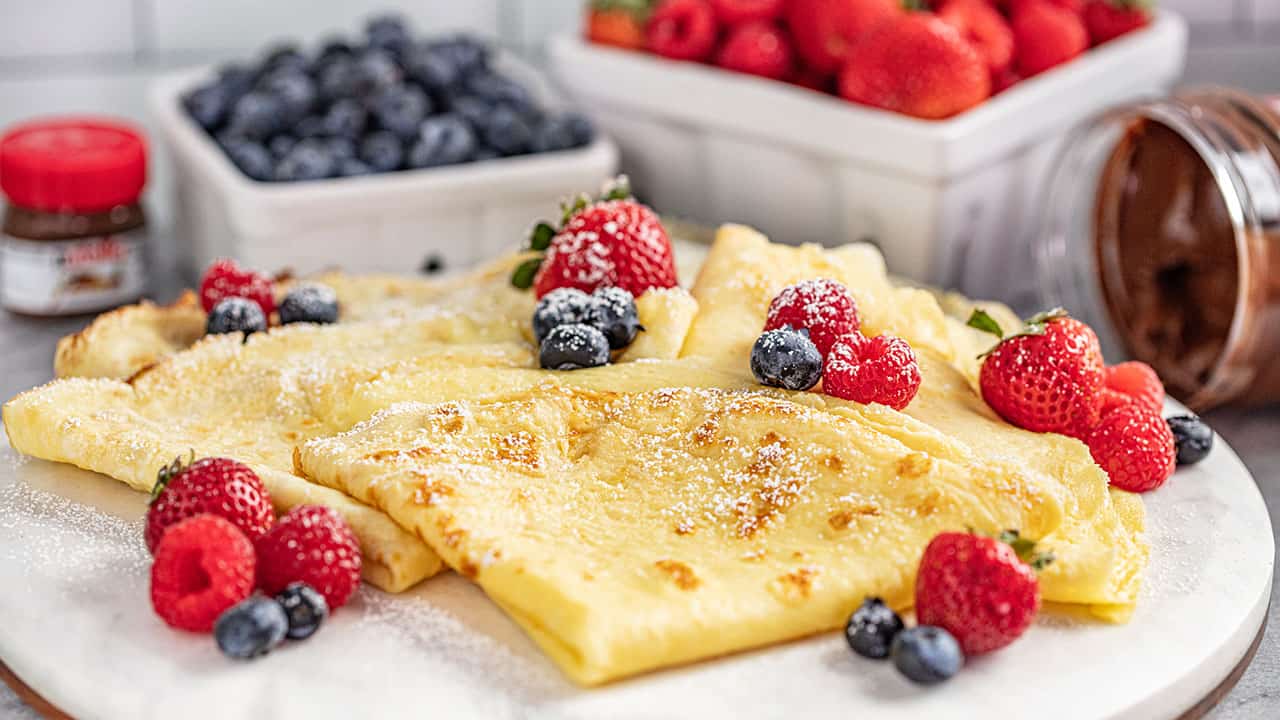
Easy Homemade Crepes: Restaurant Quality with Simple Steps
Imagine a dish so elegant, so versatile, and so utterly delicious that it graces the menus of the finest cafes and catered events. Now, imagine making it in your own kitchen with minimal effort and just a handful of everyday ingredients. That's the magic of homemade crepes! Often perceived as a culinary challenge, mastering restaurant-quality crepes at home is surprisingly simple. This comprehensive guide will walk you through every step, transforming basic ingredients into delicate, buttery crepes that are ready for any sweet or savory creation you can dream up.
Forget complicated techniques or specialized equipment. We’re here to show you that making truly exceptional crepes is an art that anyone can master, focusing on efficiency, flavor, and a truly effortless process. Get ready to elevate your breakfast, brunch, dinner, or dessert game – because once you discover how truly
easy to make crepes are, you'll wonder why you ever bought them pre-made.
What Makes Crepes So Special (and Surprisingly Simple)?
Crepes are the quintessential French-style pancake, distinguished by their ultra-thin, delicate texture and absence of a leavening agent like baking powder or soda. Unlike their fluffy American cousins, crepes are designed to be pliable, allowing them to be rolled, folded, and filled with a vast array of ingredients. When cooked correctly, they boast irresistible buttery, crisp edges and a lacy, tender interior.
Their popularity stems from this incredible versatility and the sheer joy of creating a personalized culinary experience. From classic lemon and sugar to gourmet savory fillings, crepes are a blank canvas for your culinary imagination. While you might encounter them at chic restaurants, bustling farmers' markets, or elegant catered events (even wedding reception crepe stations!), the truth is, the fundamental process for crafting these beauties is remarkably straightforward. You don't need a special crepe pan; a regular non-stick skillet works perfectly in any home kitchen. The minimal list of basic ingredients also contributes to why crepes are so genuinely
easy to make and enjoy anytime, anywhere.
Mastering the Batter: Ingredients & The Blender Advantage
The foundation of any great crepe lies in its batter. You'll be delighted to know that you only need about 8 basic pantry staples to create a perfectly smooth, flavorful batter. While specific recipes might vary slightly, the core components remain constant:
*
All-Purpose Flour: Provides the structure.
*
Eggs: Act as a binder and add richness, color, and tenderness.
*
Milk (or a combination of milk and water): The primary liquid component, contributing to the delicate texture. Milk adds richness, while water can make them even lacier.
*
Melted Butter: Essential for flavor, richness, and those desirable crisp edges.
*
Granulated Sugar: A touch of sweetness for balance, even in savory crepes. (Can be omitted for strictly savory.)
*
Salt: Enhances all the other flavors.
*
Vanilla Extract (optional but recommended for sweet crepes): Adds a wonderful aromatic depth.
One of the greatest secrets to making these crepes so effortlessly smooth and lump-free is using a blender. A blender is truly a game-changer here! It perfectly incorporates the flour into the wet ingredients, creating an incredibly silky batter in seconds. This eliminates the need for tedious whisking and ensures a uniform consistency, which is crucial for thin, even crepes.
If you don't have a blender, fear not! You can still achieve a smooth batter by using a mixing bowl and whisk. Just ensure you sift your flour first to prevent lumps, then gradually whisk the dry ingredients into the wet ones.
Here’s a crucial prep tip: Always melt your butter first and allow it to cool slightly before adding it to the rest of the ingredients. Adding hot butter directly to eggs can cause them to scramble, leading to an undesirable texture in your batter.
Once your ingredients are combined, resist the urge to start cooking immediately! Chilling the crepe batter for at least 30-60 minutes (or even overnight) in the refrigerator is a non-negotiable step for success. This resting period allows the flour to fully hydrate, and the gluten to relax. The result? Crepes that are less likely to tear, cook more evenly, and boast a superior taste and texture. This resting time is also perfect for cleaning up your kitchen and gathering your chosen fillings. For more detailed instructions on using your blender for crepes, check out our related article:
Easy Blender Crepes: Sweet & Savory Fillings for Any Meal.
The Golden Rules of Cooking Perfect Crepes
With your perfectly rested batter, you're just moments away from serving up beautiful, restaurant-quality crepes. Follow these simple steps for flawless results:
1.
Prepare Your Skillet: Choose a good quality 8-10 inch non-stick skillet. Lightly butter the pan for the very first crepe; subsequent crepes often need less, or just a quick wipe with a buttered paper towel if they start sticking. Heat your skillet over medium heat. It’s important to find that sweet spot – too low, and the crepes will be pale and chewy; too high, and they'll burn before cooking through.
2.
The Pour & Swirl: Once your pan is hot, pour a small amount of batter (usually 1/4 cup for an 8-inch pan, or 1/3 cup for a 10-inch pan) into the center. Immediately pick up the pan and quickly swirl the batter around until it thinly coats the entire bottom surface. This speed is key to achieving that signature thinness.
3.
The Cook: Cook the crepe for about 30-60 seconds on the first side. You'll know it's ready to flip when the edges start to look dry and slightly crisp, the surface loses its wet sheen, and the bottom is lightly golden.
4.
The Flip: Gently loosen the edges with a thin spatula, then carefully slide the spatula underneath the crepe and flip it over. Cook for another 15-30 seconds on the second side, just until lightly golden.
5.
Stack & Repeat: Transfer the cooked crepe to a plate. You can stack them on top of each other; their thinness prevents them from sticking. To keep them warm and soft, you can cover the stack loosely with foil or a clean kitchen towel.
Remember, the very first crepe is often a "test crepe." Don't be discouraged if it doesn't turn out perfect. It helps you gauge the pan's temperature and the right amount of batter. Consider it a chef's perk – a little snack for the cook! For more advanced techniques and troubleshooting, consult our detailed guide:
Your Ultimate Guide to Easy Crepes: Thin, Delicate, & Versatile.
Beyond the Basics: Endless Filling Possibilities
This is where the true fun begins! The beauty of these
easy to make crepes is their incredible versatility. They can transition seamlessly from a decadent dessert to a hearty main course.
Sweet Crepe Ideas:
*
Classic Favorites: Nutella and banana slices, fresh berries (strawberries, blueberries, raspberries) with whipped cream or a dusting of powdered sugar.
*
Citrus Zing: A simple squeeze of fresh lemon juice and a sprinkle of granulated sugar.
*
Fruit & Cream: Warm fruit compotes (apple cinnamon, mixed berry) with crème fraîche or vanilla ice cream.
*
Caramel Delight: Salted caramel sauce with toasted nuts.
*
Breakfast Indulgence: A dollop of Greek yogurt or mascarpone, drizzled with honey or maple syrup.
Savory Crepe Ideas:
*
French Bistro Style: Ham and Gruyere cheese, perhaps with a touch of Dijon mustard.
*
Hearty Brunch: Scrambled eggs, spinach, and feta cheese.
*
Mediterranean Twist: Roasted vegetables (bell peppers, zucchini), goat cheese, and fresh herbs.
*
Creamy & Rich: Chicken and mushroom in a creamy Béchamel sauce.
*
Smoked Salmon Elegance: Smoked salmon, cream cheese, dill, and thinly sliced red onion.
The possibilities are truly limitless. Don't be afraid to experiment with your favorite flavor combinations. Whether rolled up like a cigar, folded into triangles, or simply served flat with toppings, crepes invite creativity and satisfy every palate.
Why Homemade Crepes Will Become Your New Favorite
Making crepes at home is more than just cooking; it's an experience. The process itself is therapeutic, and the reward is a culinary delight that feels incredibly special without being difficult. The pride of serving these delicate, flavorful creations to family and friends, knowing they were made with your own hands, is immense.
From the first swirl of batter in the pan to the final bite of a perfectly filled crepe, you'll discover that this seemingly sophisticated dish is, in fact, incredibly approachable. With just a few basic ingredients, a blender, and a regular skillet, you can consistently produce crepes that rival those from your favorite cafe. So go ahead, embrace the joy of creating something truly delicious and impressive. You'll quickly see why learning to make these truly
easy to make crepes will become a cherished culinary skill in your home.